Loading...
Serving Hudson, NH and surrounding areas. (603) 471-5233
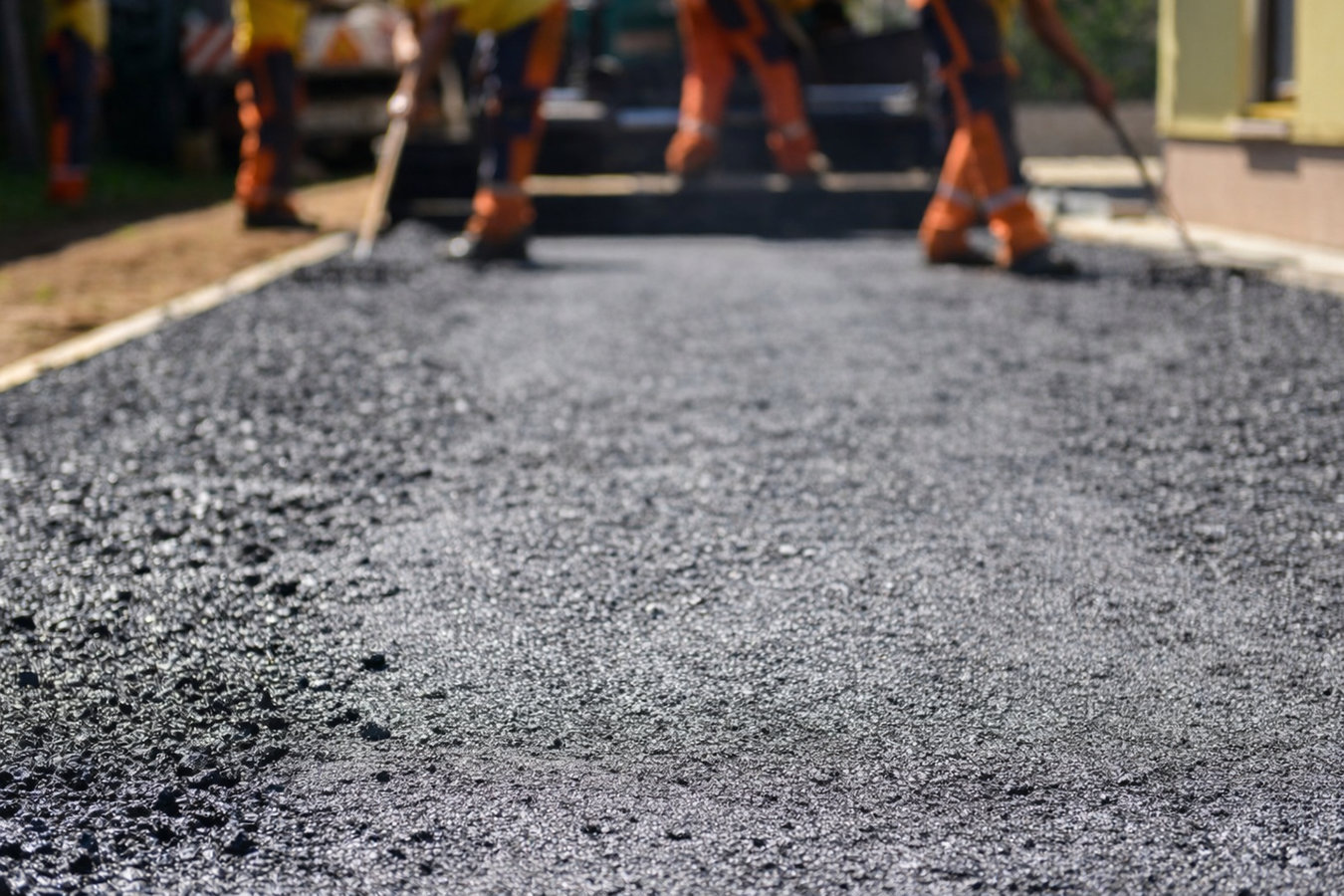
A poorly built parking lot cracks and heaves within a few winters. We build concrete parking lots in Hudson designed for freeze-thaw conditions, proper drainage, and decades of real use.
Concrete parking lot building in Hudson, NH involves removing existing surface material, excavating and compacting a crushed-stone base below the frost line, and pouring a four-to-six-inch concrete slab with control joints and drainage slope - most residential and small commercial lots are completed in two to five days of active work, followed by a seven-day curing window before vehicles return.
The most common reason parking lots in Hudson fail early is a base that was not deep enough or not compacted properly. Once water gets under a slab and the ground freezes and thaws through a New Hampshire winter, the damage compounds quickly. The visible work - the pour and the finish - takes a day. The preparation underneath is what determines whether the lot holds up for 30 years or starts cracking in three.
If you are also building a structure near the lot, our concrete footings service covers the underground support work that keeps any attached structure stable through Hudson winters - both services can often be coordinated in the same project window.
If you walk your parking area in spring and notice chunks of pavement that have lifted, large cracks running across the surface, or sections that feel uneven underfoot, that is freeze-thaw damage at work. Once the surface is broken up enough that water is getting underneath, patching individual spots stops being cost-effective. A full replacement is usually the smarter investment.
Standing water on a parking surface is a sign that drainage was not designed correctly - or that the surface has settled unevenly over time. In Hudson, where spring snowmelt can be significant, pooling water accelerates surface damage and can push water toward your building's foundation. A new lot built with proper grading solves this problem permanently.
Many Hudson properties have gravel or packed-dirt parking areas that are now creating mud, dust, or drainage problems. If the area becomes impassable in wet weather or you are tired of tracking gravel inside, a concrete lot is a long-term fix that adds real value to the property.
Surface scaling - where the top layer of concrete flakes off in patches - is a common result of road salt exposure combined with freeze-thaw stress, both facts of life in Hudson. If you see large areas where the surface looks rough, pitted, or like it is peeling, the damage has gone deep enough that sealing or patching will not restore it. Replacement is the only lasting solution.
We handle the full scope of parking lot work - from converting gravel or dirt surfaces to building brand-new lots on raw ground. Every project starts with proper excavation and base preparation, because no amount of good concrete compensates for a base that will shift. We size slab thickness to the expected load: four to five inches for standard passenger vehicles, six inches or more if the lot will see heavier traffic. Control joints are placed to give the slab a planned place to flex, and the surface is finished with a broom texture that provides traction in wet and icy conditions. Our concrete driveway building work uses the same approach - so if your project involves both a driveway extension and a parking area, we can treat them as one connected scope.
Drainage is designed into every lot we build. The surface is graded with a slight pitch - typically one to two percent - so rainwater and snowmelt flow away from buildings and toward a drain or vegetated area rather than pooling in the middle or running toward a foundation. In Hudson, where spring snowmelt is significant, getting drainage right is not optional. We also flag any stormwater permit requirements the New Hampshire Department of Environmental Services may require for your project size before work begins.
Property owners converting gravel, dirt, or open ground into a permanent, year-round concrete parking surface.
Owners of lots with cracked, heaved, or scaled concrete where patching is no longer cost-effective.
Property owners adding parking capacity to an existing lot or changing the layout to improve traffic flow or drainage.
Hudson experiences roughly 100 or more freeze-thaw cycles per year, with the ground freezing to a depth of approximately four feet in a hard winter. Any base that does not sit below that frost line will move with the ground, and over several winters that movement breaks up the slab above it. Road salt is also a consistent threat - Hudson roads are heavily salted in winter, and tires track that salt onto private lots throughout the season. A lot built without a salt-resistant concrete mix and a proper sealing schedule will show surface scaling well before the end of its expected lifespan. These are not edge cases here; they are the standard conditions contractors need to plan for in every project. Neighbors in Nashua and Merrimack face the same freeze-thaw and salt conditions, and we bring the same build standards to every project across the region.
Timing matters too. The practical window for concrete pours in Hudson runs from about May through October, with June through September being the most reliable months. Contractors across the area book up quickly once the season opens. If you are planning a lot for warmer months, reaching out in late winter is the best way to secure a spot on the schedule and avoid the rush that starts every spring.
Reach out by phone or online and we respond within 1 business day. We will ask a few questions about the site to prepare for the visit.
We visit your property, measure the area, assess existing conditions, and walk through the scope with you. You get a written estimate that breaks out every cost - site prep, permits, drainage, pour, and finish - before anyone picks up a shovel.
We handle the Town of Hudson permit process. The crew removes existing pavement, gravel, or soil and excavates to the right depth, then compacts a crushed-stone base. This phase typically takes one to two days and is the foundation of how long your lot lasts.
Forms are set, concrete is poured and finished with a textured surface for traction, and control joints are cut in. Plan on keeping vehicles off the surface for seven days, and heavy vehicles off for the full 28-day cure.
We respond within 1 business day, come to your property, and give you a written price before any work begins.
(603) 471-5233Southern New Hampshire's frost line runs roughly four feet deep, and Hudson sees repeated freeze-thaw cycles from late fall through early spring. Every lot we build uses a base compacted to the right depth and a concrete mix specified to resist freeze-thaw stress and salt exposure - because a lot that looks fine in October should still look fine in April.
The Town of Hudson requires a building permit for new parking lots, and New Hampshire has stormwater rules that apply when you add significant paved surface to a property. We handle the permit application and flag any stormwater requirements early - so the project moves forward legally and you are not fielding calls from the building department.
New Hampshire requires contractors to be licensed through the state, and we encourage every homeowner to look us up before signing anything. You can check license status through the NH Office of Professional Licensure and Certification in about two minutes. We hand over our license number without hesitation and carry current general liability coverage.
One of the biggest fears homeowners have when hiring a contractor is getting a low number upfront and a much higher bill at the end. We give you a written estimate that spells out every cost before work begins - no surprises, no add-ons you did not agree to - so you can compare bids fairly and know what you are committing to.
These are not marketing points - they are the actual things that determine whether your parking lot holds up over time and whether the project goes smoothly. A contractor who pulls permits, uses the right mix, preps the base correctly, and puts the price in writing is one you can hold accountable. That is what we bring to every job in Hudson.
For permit requirements, visit the Town of Hudson Building Department. For stormwater guidance, see the NH Department of Environmental Services.
If your parking lot project involves a new structure nearby, proper footings below Hudson's frost line are what keep it stable through winter.
Learn MoreExtending a private driveway into a larger parking area is a natural pairing - same materials, same crew, and one coordinated project.
Learn MoreContractor schedules in Hudson fill up fast once the weather turns - reach out now to lock in your spot before the summer rush.