Loading...
Serving Hudson, NH and surrounding areas. (603) 471-5233
A sunken driveway, garage floor, or front stoop does not have to mean a full replacement. We raise settled slabs in Hudson back to level - usually in a few hours, at a fraction of the cost of new concrete.
Foundation raising in Hudson, NH lifts a settled concrete slab back to its original level by drilling small holes through the surface, pumping a lifting material into the voids underneath, and patching the holes flush when the work is done - most residential jobs are completed in two to eight hours with same-day use of the surface.
The two most common methods are mudjacking - which pumps a cement-and-soil slurry beneath the slab - and polyurethane foam injection, which uses a fast-curing expanding foam. Both lift the slab from below, but foam cures faster and leaves smaller holes. A settled driveway or garage floor in Hudson does not automatically mean a full tear-out. In most cases, raising the slab costs a fraction of what new concrete would run, and you get a level surface back the same day.
If the slab is too deteriorated to raise, or if you need a complete new pour rather than a repair, our slab foundation building service covers new residential slab construction from excavation through finish.
If one section of your driveway or walkway has dropped noticeably below the panel next to it, that step is a classic sign of settling. In Hudson, this often becomes most visible in the spring after the ground has gone through a full winter of freezing and thawing. That uneven edge is a trip hazard that gets worse the longer it is left alone.
When a slab settles, it can tilt toward your home rather than away from it, directing water toward the foundation instead of away from it. Hudson gets significant snowmelt in late winter and early spring, and water sitting against the foundation after a thaw is a sign a settled slab may be redirecting drainage in the wrong direction.
A garage floor that now has a visible slope - or a crack running across the width of the slab - is a sign the concrete has moved. In homes built between the 1960s and 1980s, which make up a large portion of Hudson's housing stock, this is a common finding as the original soil compaction finally gives way after decades of freeze-thaw cycles.
A gap opening between a concrete stoop and the exterior wall of your home is a clear sign the stoop has settled away from the structure. This is especially common in Hudson on homes with older stoops poured separately from the foundation - the stoop settles while the house stays put, and the gap grows a little wider every year.
We raise settled concrete slabs across residential properties in Hudson - driveways, garage floors, front stoops, walkways, back patios, and pool decks. Every job starts with an on-site assessment to determine how far the slab has dropped, what caused it, and which lifting method is appropriate. We offer both traditional mudjacking and polyurethane foam injection, and we recommend the method based on the slab size, the depth of the void, and how quickly you need to use the surface. If a drainage problem is contributing to the settling, we will tell you that clearly before any lifting begins - because lifting a slab without addressing the cause is only a temporary fix. Our concrete cutting service handles cases where a damaged section needs to be cut out and removed before any lifting or repair work can proceed.
For homeowners dealing with a slab that has shifted dramatically or one with significant cracking throughout, we walk through the honest comparison between raising and full replacement. The University of New Hampshire Extension documents how glacial till soil conditions in southern New Hampshire create uneven support under slabs over time - which is why settled concrete is so common in Hudson and why addressing the underlying drainage matters as much as the lift itself.
Homeowners with larger settled areas - driveways, parking pads, or broad garage floors - where the traditional slurry method is cost-effective and same-day use is acceptable.
Homeowners who want a faster cure time, smaller drill holes, and a lighter lifting material that will not wash away or compress the way a soil-based slurry can over time.
Homeowners with a concrete front stoop that has settled away from the house, creating a gap at the wall or an uneven surface at the entry that is a daily trip hazard.
Hudson sits in southern New Hampshire, where temperatures swing above and below freezing dozens of times each winter. Every freeze-thaw cycle moves the ground, and that movement gradually pulls soil out from under concrete slabs. This is the single biggest reason Hudson homeowners deal with sunken driveways, garage floors, and front stoops - and it is why the problem tends to get noticeably worse after a harsh winter. Much of Hudson also sits on glacial till, a mix of sand, gravel, silt, and clay that drains unevenly and can shift under a slab even when the original installation was done correctly. Homeowners in areas nearer the Merrimack River, such as Nashua, deal with similar soil and drainage conditions along that corridor.
A large share of Hudson's housing stock dates from the 1960s through the 1980s - homes that are now 40 to 60 years old. Concrete slabs from that era have had decades of freeze-thaw stress, and the original soil compaction beneath them has long since settled. Settled slabs are a normal part of how these properties age in this climate. Homeowners in nearby communities like Merrimack face the same conditions, and spring is the busiest season for foundation raising calls across the region. Scheduling early in the season - or better yet, in the fall before the ground freezes - means you are more likely to get on a contractor's calendar before the post-thaw rush.
Reach out by phone or online and we respond within 1 business day. We will ask what is sinking, where it is on your property, and roughly how long it has been that way - enough to prepare for the site visit.
We walk the affected area with you, check the slab for cracks, and probe the soil conditions if needed. We determine how much the slab has dropped, what caused it, and whether raising is the right fix - or whether something else, like a drainage correction, needs to happen first. This visit typically takes 20 to 45 minutes.
You receive a written estimate outlining the method we plan to use, the areas being lifted, and the total cost. This is the moment to ask whether a permit is needed, how long the work will take, and what the warranty covers. We answer these questions without pressure.
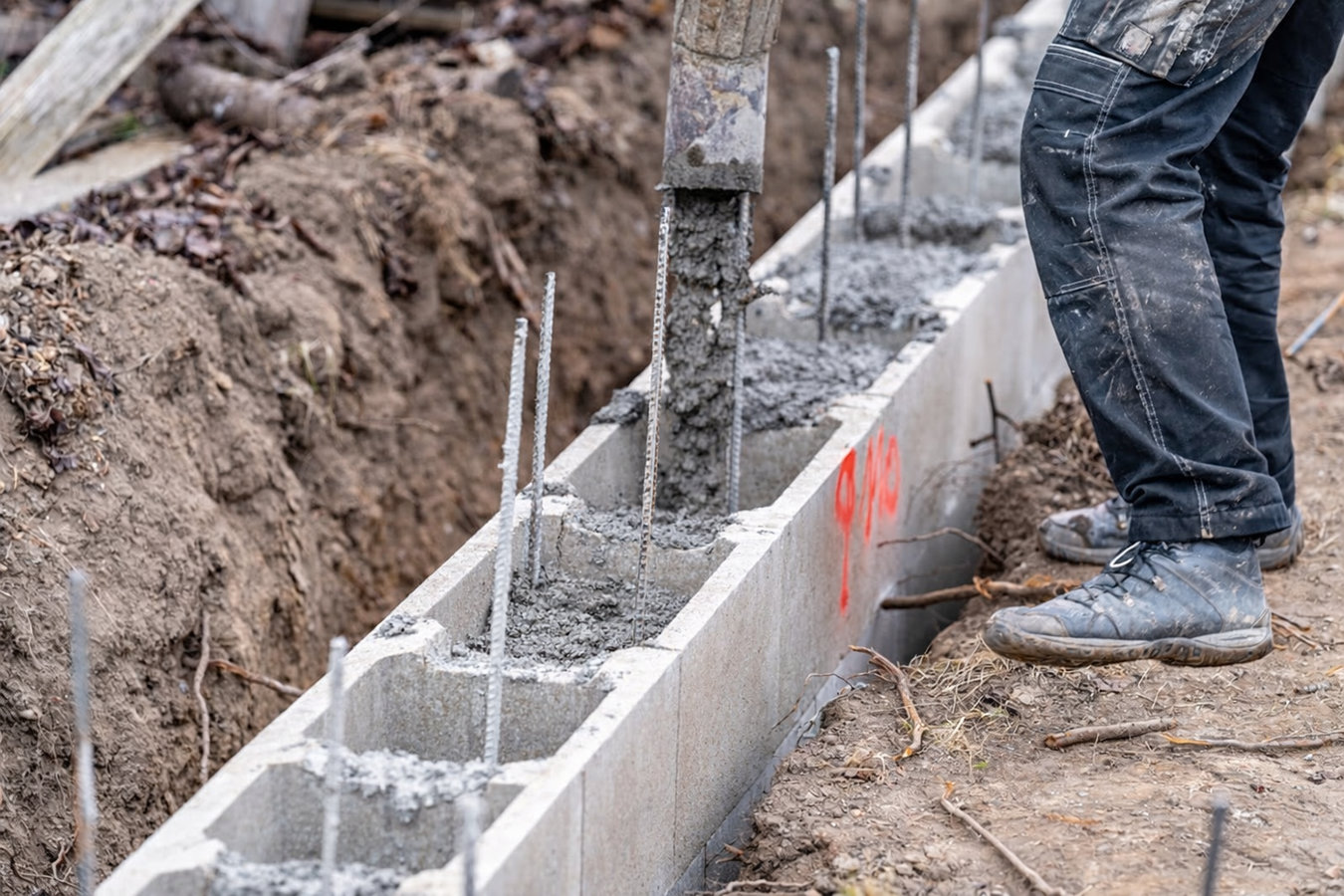
The crew drills small holes through the slab, pumps the lifting material underneath until the slab rises to the correct level, and then fills the drill holes flush with concrete patching material. Most residential jobs are finished within a few hours, and we walk through the finished work with you before leaving.
We respond within 1 business day. Free on-site assessment. Written estimate before any work begins. No pressure to commit.
(603) 471-5233We tell you upfront whether raising your slab makes sense or whether replacement is the smarter long-term choice. If the concrete is too deteriorated or the underlying problem has not been fixed, we say so in writing. You make the decision with full information, not because someone pushed you toward the more expensive option.
Before any work begins, you have a written quote that spells out exactly what is being done and what it costs. No surprises on the bill, no add-ons after the crew arrives. Compare it against other quotes, ask questions, and say yes only when you feel confident.
A large portion of Hudson's homes were built between the 1960s and 1980s, and settled slabs are a normal part of how those properties age in southern New Hampshire's freeze-thaw climate. We understand the soil conditions, the drainage patterns, and the seasonal timing that affect how long a raised slab holds. Local experience is not a marketing line here - it shapes how we approach every estimate.
Whether your job requires a building permit from the Town of Hudson Building Department or not, we walk you through that question clearly before work begins. Pulling the right permit creates an official record and protects your home's value. We can verify our contractor credentials through the New Hampshire Office of Professional Licensure and Certification - and we encourage you to check before signing anything.
Every foundation raising job we do comes down to two things: an honest assessment of whether raising is right for your specific slab, and work done in a way that holds up through Hudson's winters. Both matter, and you should expect both from any contractor you hire.
When a settled or damaged section needs to be cut out cleanly before repair or replacement, concrete cutting creates the precise openings that foundation raising cannot address alone.
Learn MoreFor slabs that are too deteriorated to raise, a new slab foundation is the long-term solution - poured to current mix and thickness standards for Hudson's climate.
Learn MoreSpring fills up fast in Hudson - call today or request a free estimate online, and we will respond within 1 business day.